Technology has fundamentally reshaped the landscape of sports, influencing every aspect from athlete performance to fan engagement. Wearable devices provide critical insights into physical metrics, while video analysis fine-tunes skills. Data analytics informs coaching strategies, revealing patterns that might otherwise go unnoticed. As these innovations continue to evolve, they promise to deepen the connection between athletes and their audiences. What implications might this have for the future of the sports industry?
Enhancing Athlete Performance Through Technology
As athletes strive to reach their peak potential, technology plays a crucial role in enhancing their performance.
Wearable devices have emerged as essential tools for performance tracking, providing real-time data on metrics such as heart rate, speed, and movement patterns.
This information allows athletes to make informed decisions, optimize training, and ultimately achieve greater levels of freedom in their athletic pursuits.
See also: How Technology Is Used in Entertainment
Revolutionizing Coaching Strategies With Data Analytics
Data analytics is fundamentally transforming coaching strategies across various sports, enabling coaches to make evidence-based decisions that enhance team performance.
By leveraging data visualization techniques and analyzing performance metrics, coaches can identify strengths and weaknesses in their teams.
This approach fosters a deeper understanding of player dynamics, allowing for tailored training regimens and strategic planning, ultimately leading to improved outcomes on the field.
Transforming Fan Engagement and Spectator Experience
Advancements in technology are not only reshaping coaching strategies but are also significantly enhancing fan engagement and the overall spectator experience.
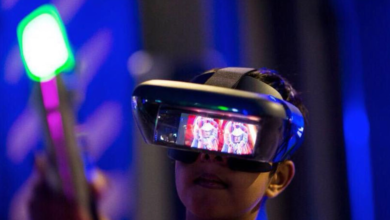
Virtual reality immerses fans in thrilling simulations, while interactive platforms facilitate real-time interactions, allowing spectators to connect deeply with the events.
This technological evolution cultivates a sense of community, granting audiences unprecedented freedom to influence their sports experience and enjoy the games like never before.
Conclusion
In conclusion, technology’s impact on sports is profound, enhancing athlete performance and revolutionizing coaching methods. A striking statistic reveals that 70% of professional athletes now utilize wearable technology to monitor their training and recovery, underscoring the trend toward data-driven decision-making. Furthermore, as fan engagement evolves through advanced analytics and immersive experiences, the connection between spectators and athletes deepens, paving the way for a future where technology continues to redefine the landscape of sports.