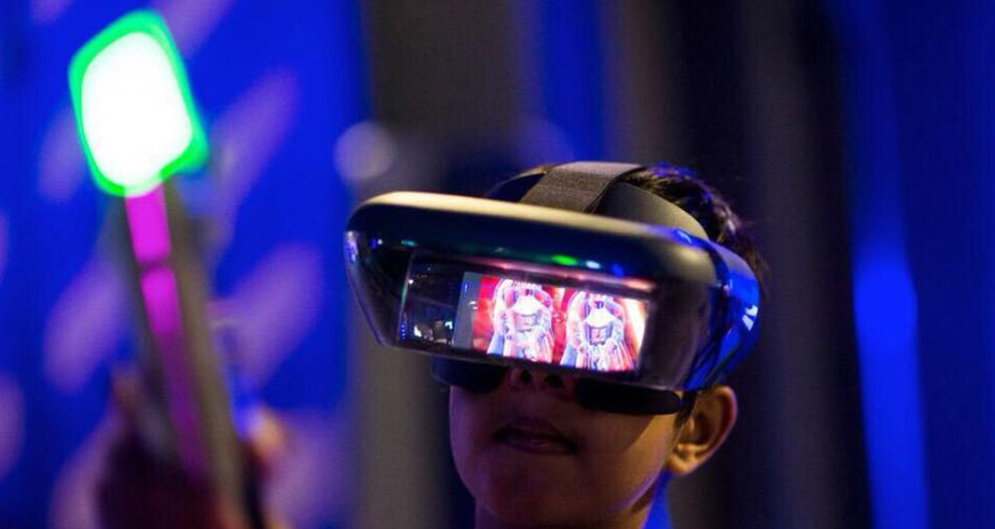
Technology plays a pivotal role in shaping the entertainment landscape. Streaming services have transformed content consumption by offering vast libraries available at users’ fingertips. Meanwhile, virtual reality captivates audiences with immersive experiences that traditional media cannot replicate. Additionally, advancements in special effects and animation have redefined character realism. These innovations invite further exploration into how they collectively influence audience engagement and the evolution of entertainment. What future trends might emerge from these technological advancements?
Streaming Services and On-Demand Content
How has the rise of streaming services transformed the landscape of entertainment?
The introduction of subscription models has empowered consumers, allowing them to access vast libraries of content on demand.
Enhanced user interfaces have further facilitated exploration and personalization, ensuring users can effortlessly navigate options.
This shift not only democratizes access but also challenges traditional distribution methods, reshaping viewer habits and preferences in profound ways.
See also: How Technology Is Changing Finance
Virtual Reality and Immersive Experiences
Virtual reality (VR) has emerged as a groundbreaking medium within the entertainment industry, offering users immersive experiences that transcend traditional viewing formats.
This technology enhances immersive storytelling, allowing audiences to engage with narratives in unprecedented ways. By placing users inside the story, virtual reality fosters a sense of presence and agency, inviting them to explore and interact within richly crafted environments.
Ultimately, this reshapes entertainment’s landscape.
Advanced Special Effects and Animation Techniques
The evolution of technology in entertainment extends beyond virtual reality, significantly impacting advanced special effects and animation techniques.
Motion capture has transformed character creation, allowing for realistic movement and expression. Coupled with CGI advancements, filmmakers can now craft visually stunning narratives that captivate audiences.
These technologies empower creators to explore limitless storytelling possibilities, ultimately enhancing the viewer’s immersive experience and engagement with the material.
Conclusion
In conclusion, technology has not merely transformed entertainment; it has redefined the very essence of engagement and storytelling. The seamless integration of streaming services, virtual reality, and sophisticated effects invites audiences into a vivid tapestry of experiences, suggesting that the future of entertainment lies not just in passive consumption but in active participation. As the boundaries between creator and consumer blur, one must ponder: what new narratives will emerge from this digital renaissance, and how will they shape our collective imagination?